
Is Your Business Really Ready to Sell? A Practical Checklist for NZ Owners
A prepared business is easier for buyers to understand, easier to trust, and more likely to move through due diligence with confidence.

Sunil Patil
Sunil is a trusted business broker who combines expertise, strategy and professionalism to help business owners protect value and achieve stronger exit outcomes.
After a long career at Fonterra, Sunil now supports New Zealand business owners through strategic exits, commercial negotiations, due diligence and practical value preparation.
Selling a business is not something most owners do often.
You may have spent years building your customer base, managing staff, solving problems, improving margins, and keeping the business moving through good and difficult market conditions. But when the time comes to sell, buyers will look at your business differently.
They will not only ask whether the business is profitable. They will ask whether it can continue without the current owner, whether the financials are clear, whether risks are manageable, whether the asking price is realistic, and whether they can see themselves running the business successfully.
Business sale readiness protects value before buyers start asking questions.
A business that looks organised, stable, and well prepared is more likely to attract serious buyers, move through due diligence smoothly, and achieve a better sale outcome.
1. Your Financial Records Are Clean and Easy to Understand
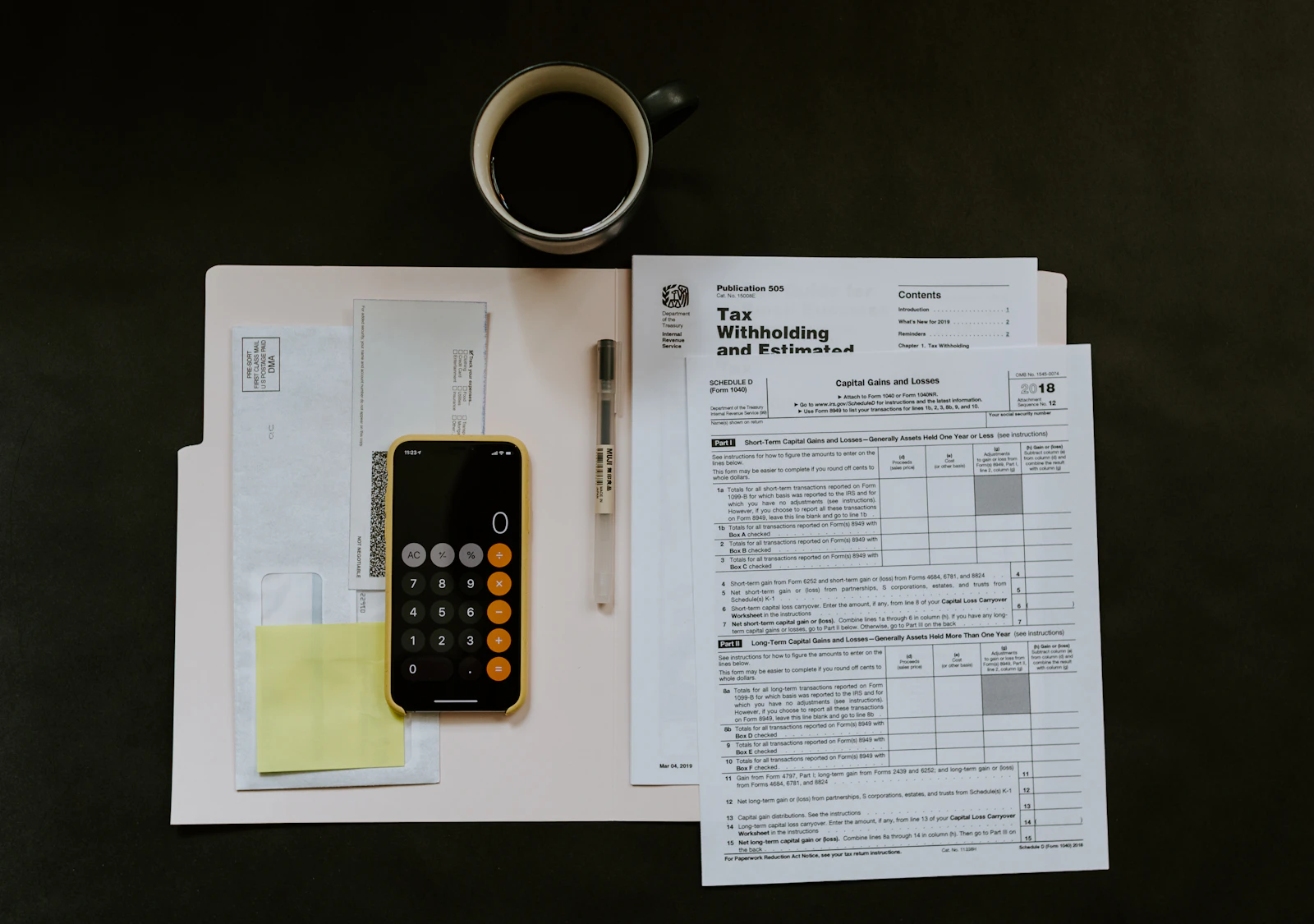
Your financial records are usually the first thing serious buyers want to review. Buyers need to understand how the business makes money, what it costs to operate, and whether the profit is sustainable.
Core financials
Profit and loss statements, balance sheets, GST records, tax returns, payroll records, and major expense details.
Operational records
Stock reports, inventory records, lease details, loan details, and other business commitments where relevant.
The goal is not only to show that the business is profitable. The goal is to make the numbers easy to trust. If records are incomplete, inconsistent, or difficult to explain, buyers may become cautious, reduce their offer, ask for stronger conditions, or walk away entirely.
2. The Business Is Not Too Dependent on You
One of the biggest concerns buyers have is owner dependence. If you are the main person handling sales, operations, customer relationships, supplier negotiations, staffing, quoting, and problem-solving, the business may feel risky.
Train staff to handle important tasks
Buyers gain confidence when the team can manage daily operations without every decision going through the owner.
Document common processes
Clear procedures reduce reliance on verbal knowledge and make the business easier to transfer.
Delegate customer communication
Reducing customer reliance on the owner helps protect goodwill after settlement.
Create simple reporting systems
Reporting helps buyers understand performance without depending on the owner’s memory or informal explanations.
The less the business depends on you personally, the easier it is for a buyer to see its future.
3. Your Systems, Customers, and Team Are Stable
Buyers do not only buy profits. They buy the way the business works. Strong systems give buyers confidence that operations can continue after settlement.

Document the way the business works
Staff responsibilities, supplier lists, pricing methods, inventory procedures, health and safety records, software lists, and sales processes all help.
Review customer stability
Buyers look at top customers by revenue, repeat purchase patterns, contracts, retention rates, concentration risk, and future order stability.
Prepare staff and employment records
Employment agreements, responsibilities, leave liabilities, payroll records, and training processes can all affect buyer confidence.
Make the business easier to hand over
A buyer does not need a perfect corporate manual. They need to see that the business is organised and transferable.
4. Your Reason for Sale, Asking Price, and Documents Are Clear
Buyers will almost always ask why you are selling. A clear and reasonable explanation helps build trust. Common reasons include retirement, lifestyle change, relocation, health, partnership changes, or wanting to pursue another opportunity.
“After many years of building the business, I am ready to transition to the next stage and would like to pass it on to a buyer who can continue its growth.”
Example of a clear reason for saleYour asking price also needs to be realistic. Buyers usually assess value based on maintainable earnings, industry conditions, risk level, asset value, market demand, growth potential, owner involvement, and comparable business sales.
Important documents should also be in order, including premises leases, supplier agreements, customer contracts, equipment finance, franchise agreements, licences, permits, insurance policies, employment agreements, and loan or security arrangements.
5. Risks, Confidentiality, and Growth Opportunities Are Prepared
Every business has challenges. Buyers understand that. What concerns them is when problems are hidden, poorly managed, or discovered late.
Resolve or explain major issues
Outstanding tax issues, staff disputes, supplier disputes, complaints, declining margins, lease concerns, compliance issues, unpaid debts, and legal matters should be understood before going to market.
Plan confidentiality carefully
Think about advertising, public information, confidentiality agreements, staff communication, buyer screening, and how information will be released.
Explain the growth story clearly
Buyers want realistic future opportunity, such as new regions, added services, better marketing, online sales, improved margins, or stronger systems.
Be emotionally ready to sell
Selling can be emotional. Buyers may challenge your price, due diligence may feel intrusive, and negotiations may take longer than expected.
Business Sale Readiness Checklist
Ideally, business sale preparation should begin 6 to 12 months before going to market. This gives you time to improve financial presentation, reduce owner dependence, fix operational gaps, review contracts, and strengthen buyer confidence.
Financial clarity
Clean financial records, clear profit explanations, current reports, and transparent expense details.
Transferability
Reduced owner reliance, documented systems, stable staff, and organised operating procedures.
Buyer confidence
Stable customers, organised contracts, managed risks, realistic pricing, and a clear reason for sale.
Sale strategy
A confidentiality plan, clear growth story, and a prepared approach to buyer discussions.
A business does not need to be perfect before it can be sold. But it does need to be presented clearly, honestly, and professionally.
Selling your business is not only about finding a buyer. It is about preparing the business so the right buyer can understand its value, trust the information, and move forward with confidence.
The stronger your preparation, the smoother the process usually becomes.
Prepare before you list, so buyers can see the value clearly.
For New Zealand business owners, sale readiness can help protect value, reduce delays, and improve the chance of a successful exit.
Before you list your business for sale, take time to review where it stands today. The earlier you prepare, the more control you have over the outcome.
Speak with Sunil Patil Today ›
